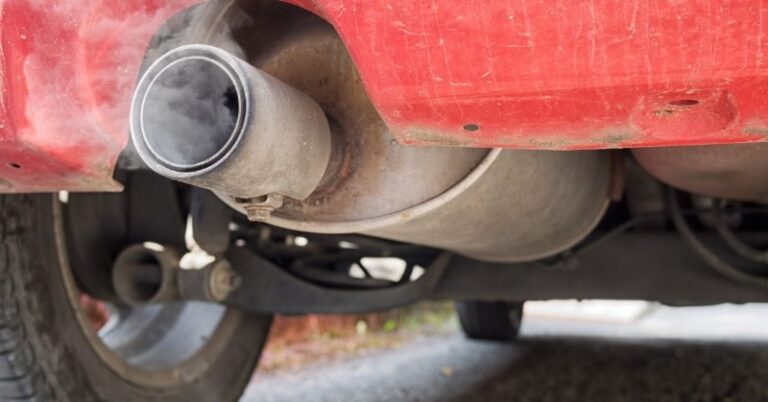
Diesel engines are widely recognized for their efficiency and power, but they also have a reputation for producing harmful emissions. Catalytic converters play a crucial role in mitigating these emissions, making them a vital component in diesel engines.
Catalytic converters were first introduced in gasoline engines in the 1970s and later adopted in diesel engines in the 1990s. These devices are designed to convert over 90% of pollutants, including carbon monoxide, nitrogen oxides, and hydrocarbons, into harmless carbon dioxide and water.
Diesel catalytic converters employ precious metals like palladium and platinum to catalyze chemical reactions and neutralize toxic gases. They also feature a diesel particulate filter (DPF) to remove particulate matter, which is a significant contributor to air pollution.
Signs of a Failing Catalytic Converter
Catalytic converters typically last around ten years or 160,000 kilometers. However, several factors can contribute to their failure, including:
Debris buildup
Oil or coolant leaks
Faulty glow plugs
Signs of a failing catalytic converter may include:
Dark smoke from the exhaust
Sulfur smell
Decreased acceleration power
Engine overheating
Protection and Maintenance
Regular maintenance is essential to extend the lifespan of catalytic converters. This includes:
Engine cleaning
Particulate filter replacement
Avoiding contaminated fuel
Catalytic converter theft is on the rise due to the presence of precious metals. To prevent theft, it’s advisable to:
Park in well-lit, secure areas
Install anti-theft devices
Catalytic converters are indispensable components in diesel engines, significantly reducing harmful emissions and contributing to environmental protection. Understanding their function and signs of failure is crucial for maintaining optimal engine performance and reducing the risk of costly repairs or replacements. By following proper maintenance and protection measures, you can ensure the longevity and effectiveness of your catalytic converter.
Yes, most diesel engines manufactured after the year 2000 are equipped with catalytic converters to reduce harmful emissions.
How do diesel catalytic converters work?
Diesel catalytic converters use precious metals like palladium and platinum to catalyze chemical reactions that neutralize toxic gases and convert them into carbon dioxide and water. They also feature a diesel particulate filter to remove particulate matter.
Are catalytic converters necessary for diesel engines?
Yes, catalytic converters are essential for diesel engines to meet emission regulations and reduce harmful pollution.
How long do diesel catalytic converters last?
Diesel catalytic converters typically last around ten years or 160,000 kilometers.
What are the signs of a failing diesel catalytic converter?
Signs of a failing catalytic converter include dark smoke from the exhaust, sulfur smell, decreased acceleration power, and engine overheating.
Characteristic/Advice
Key Points
Purpose
Reduce harmful emissions in diesel engines
History
Introduced in diesel engines in the 1990s
Efficiency
Convert over 90% of pollutants into carbon dioxide and water
Usage
Nearly all diesel engines after 2000 have catalytic converters