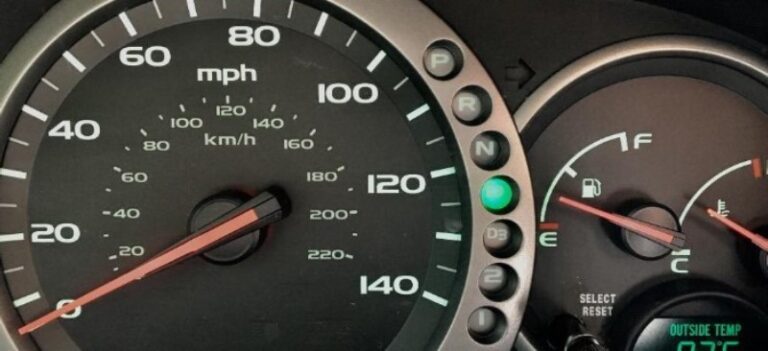
Navigating the multitude of symbols and lights on your Hyundai Sonata’s dashboard can be daunting. Understanding their meanings is crucial for ensuring the safety and optimal performance of your vehicle.
1. Check Engine Light:
– Indicates an issue with the engine or emissions system.
– Requires immediate attention as it may affect engine performance and emissions.
2. Battery Warning Light:
– Signals a problem with the battery or charging system.
– Prolonged neglect can lead to battery failure or starting issues.
3. Oil Pressure Warning Light:
– Indicates low oil pressure in the engine.
– Stopping the vehicle and checking the oil level is essential.
– Continued driving can result in engine damage.
4. Coolant Temperature Warning Light:
– Warns of high coolant temperatures or low coolant levels.
– Overheating can cause engine damage.
– Pull over safely and wait for the engine to cool before inspecting the coolant levels.
5. Airbag Warning Light:
– Indicates a malfunction in the airbag system.
– Airbags may not deploy properly in the event of an accident.
– Consult a Hyundai dealership for immediate repair.
Other Important Symbols
6. Brake Warning Light:
– Alerts to low brake fluid levels or other brake system issues.
– Neglecting this light can compromise braking performance and safety.
– Inspect brake fluid levels and consult a mechanic if necessary.
7. Tire Pressure Monitoring System (TPMS) Light:
– Indicates low tire pressure in one or more tires.
– Underinflated tires affect vehicle handling, fuel efficiency, and tire wear.
– Consult a mechanic to adjust tire pressure or repair any punctures.
8. Anti-lock Brake System (ABS) Light:
– Indicates a malfunction in the ABS system.
– Without ABS, wheels may lock during braking, reducing control.
9. Electronic Stability Control (ESC) Light:
– Warns of ESC system issues, affecting vehicle stability.
– ESC helps prevent skidding and loss of control during cornering.
10. Blind Spot Detection Light:
– Indicates the presence of vehicles in blind spots.
– This light warns drivers of potential hazards when changing lanes.
Action Steps
Familiarize yourself with the symbols and their meanings.
Pay attention to any illuminated warning lights.
Respond promptly by safely pulling over and inspecting the vehicle.
Check the vehicle’s owner’s manual for specific symbol descriptions.
Contact a Hyundai dealership or mechanic for any lights that require immediate attention.
Regular vehicle maintenance and inspections can help prevent warning light issues and ensure optimal vehicle performance.
FAQs: Hyundai Sonata Dashboard Symbols and Meanings
What does the Check Engine Light mean?
Indicates a malfunction in the engine or emission control systems. Requires immediate attention as it may affect engine performance and emissions.
What does the Battery Warning Light mean?
Signals a problem with the battery or charging system. Prolonged neglect can lead to battery failure or starting issues.
What does the Oil Pressure Warning Light mean?
Indicates low oil pressure in the engine. Stopping the vehicle and checking the oil level is essential. Continued driving can result in engine damage.
What does the Coolant Temperature Warning Light mean?
Warns of high coolant temperatures or low coolant levels. Overheating can cause engine damage. Pull over safely and wait for the engine to cool before inspecting the coolant levels.
Indicates a malfunction in the airbag system. Airbags may not deploy properly in the event of an accident. Consult a Hyundai dealership for immediate repair.
Warning Light
Characteristic
Advice
Engine Warning Light
Indicates a malfunction in the engine or emission control systems
Requires immediate attention as it may affect engine performance and emissions
Battery Warning Light
Signals a problem with the battery or charging system
Prolonged neglect can lead to battery failure or starting issues
Oil Pressure Warning Light
Indicates low oil pressure in the engine
Stopping the vehicle and checking the oil level is essential. Continued driving can result in engine damage
Coolant Temperature Warning Light
Warns of high coolant temperatures or low coolant levels
Overheating can cause engine damage. Pull over safely and wait for the engine to cool before inspecting the coolant levels
Airbag Warning Light
Indicates a malfunction in the airbag system
Airbags may not deploy properly in the event of an accident. Consult a Hyundai dealership for immediate repair
Brake Warning Light
Alerts to low brake fluid levels or other brake system issues
Neglecting this light can compromise braking performance and safety. Inspect brake fluid levels and consult a mechanic if necessary
Tire Pressure Monitoring System (TPMS) Light
Indicates low tire pressure in one or more tires
Underinflated tires affect vehicle handling, fuel efficiency, and tire wear. Consult a mechanic to adjust tire pressure or repair any punctures