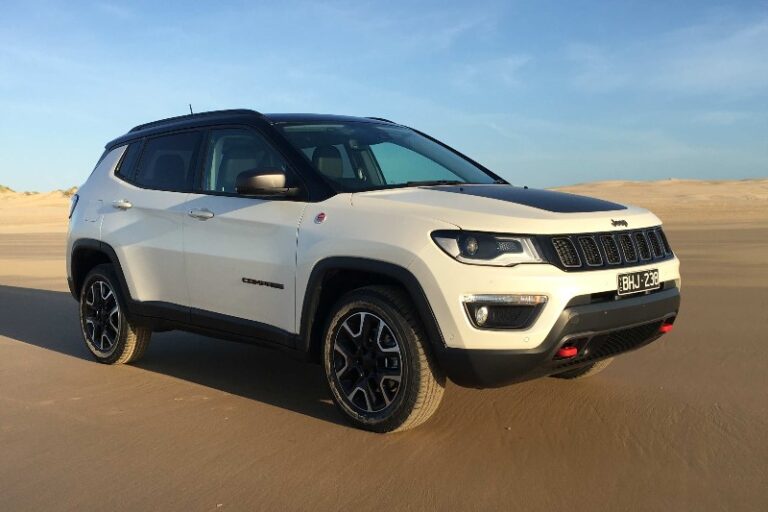
When considering compact SUVs from Jeep, the Compass and Cherokee emerge as compelling options. While both models share the iconic Jeep heritage, they exhibit distinct differences that influence their suitability for various needs. Understanding these differences can help you make an informed decision when choosing between these two exceptional vehicles.
Performance and Capabilities: A Tale of Power and Efficiency
The Jeep Cherokee boasts a range of engine options, including a powerful 271-horsepower V6. This engine grants the Cherokee impressive off-road capabilities and ample towing power, making it an ideal choice for adventurous drivers. In contrast, the Jeep Compass features a single engine that prioritizes fuel efficiency and agility. Its smaller size and lighter weight enhance its handling in urban environments.
Pricing and Value: Striking a Balance of Budget and Features
When it comes to pricing, the Jeep Compass offers a more budget-friendly option compared to the Cherokee. Its lower price point makes it accessible to a broader range of buyers. However, the Cherokee’s higher price tag reflects its enhanced capabilities and comprehensive feature set, providing a premium experience for discerning drivers.
Additional Considerations: Delving into Specific Features
Interior Space: The Jeep Cherokee’s larger dimensions translate to more generous interior space, comfortably accommodating up to five passengers. In comparison, the Compass offers a more compact interior, suitable for everyday use and smaller families.
Fuel Efficiency: The Compass’s smaller size and lighter weight contribute to superior fuel economy, making it a more economical choice for drivers focused on reducing their environmental impact.
Towing Capacity: For those who require towing capabilities, the Cherokee outperforms the Compass with its higher towing capacity. This feature empowers the Cherokee to handle heavier loads, making it suitable for towing boats, trailers, or recreational vehicles.
Technology and Features: The Jeep Cherokee offers a wider array of advanced technology and convenience features. Its Uconnect 4C NAV system features an intuitive touchscreen interface, navigation capabilities, and Off-Road Pages specifically designed for off-road enthusiasts. The Compass, while still well-equipped, features a slightly less comprehensive set of technological amenities.
Conclusion: Choosing the Jeep that Meets Your Needs
In summary, the Jeep Compass and Cherokee present distinct characteristics that cater to different needs and preferences. For those seeking power, capability, and spaciousness, the Cherokee is a formidable choice. On the other hand, budget-conscious buyers who value agility, fuel efficiency, and everyday practicality will find the Compass to be an excellent option. Ultimately, the best choice between these two remarkable vehicles hinges on your individual priorities and lifestyle requirements.
What are the key differences in reliability and quality between the Jeep Compass and Cherokee?
Both models boast high reliability scores, with the Cherokee slightly edging out the Compass (82/100 vs. 77/100). Interiors of both models feature premium materials and features like leather-wrapped steering wheels, textured dash panels, and panoramic sunroofs.
Jeep Compass vs Cherokee: Reliability, Quality, and Key Features