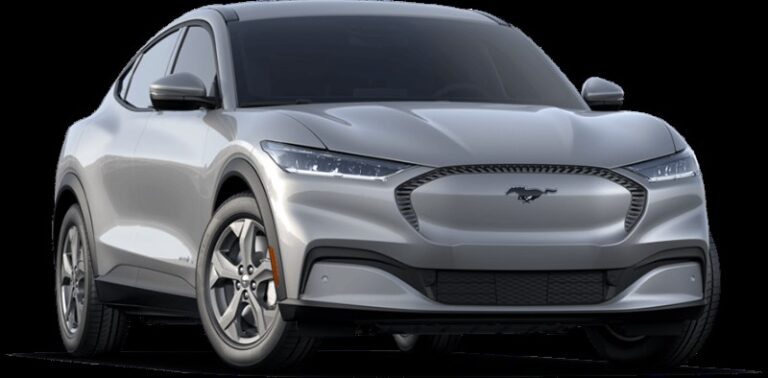
The electric vehicle (EV) revolution is well underway, and with the increasing popularity of EVs, the demand for convenient and affordable home charging solutions is also on the rise. The Electric Vehicle Home Charger Tax Credit, introduced by the Inflation Reduction Act (IRA) and extended through December 31, 2032, offers a significant financial incentive to homeowners who invest in EV charging infrastructure.
The EV Home Charger Tax Credit allows taxpayers to deduct 30% of the cost of installing an eligible EV charging station at their primary residence. The maximum credit amount is $1,000, effectively reducing the cost of installation by a substantial amount. The credit is available for both Level 1 and Level 2 charging stations, which are the most common types used for home charging.
To claim the tax credit, individuals must complete Form 8911, Alternative Fuel Vehicle Refueling Property Credit. The credit applies to expenses incurred since 2022, and the full amount can be claimed in the year the charging station is installed.
Eligibility Requirements
To be eligible for the tax credit, the EV charging station must meet the following criteria:
Be installed at the taxpayer’s primary residence
Be used primarily to charge an electric vehicle
Be certified to meet the requirements of a nationally recognized testing laboratory such as UL, Intertek, or ETL
Have a minimum power output of 1.2 kW (Level 1) or 3.3 kW (Level 2)
Additional Benefits
In addition to the tax credit, the IRA also provides a 30% tax credit for installing home solar panels, which can complement EV charging systems and offset the cost of electricity used to charge your vehicle. Furthermore, many states and regions offer rebates and incentives for the installation of EV chargers.
Claiming the EV Home Charger Tax Credit is relatively straightforward:
Determine your tax liability before claiming the credit.
Complete the entire tax return and then fill out Form 8911.
If necessary, consult a tax professional for guidance.
The credit will be applied to your tax liability, resulting in a reduction of the amount of taxes you owe.
The Electric Vehicle Home Charger Tax Credit is a valuable incentive that can significantly reduce the cost of installing an EV charging station at your home. By taking advantage of this credit, you can make the transition to electric driving more affordable and convenient. With the growing accessibility of EV charging infrastructure, the future of electric vehicles looks brighter than ever before.
What is the EV charger tax credit?
The EV charger tax credit allows individuals and businesses to deduct 30% of the cost of installing EV charging stations, up to $1,000 for residential installations and $100,000 per property item for business installations. This credit is available through December 31, 2032.
How can I claim the EV charger tax credit?
To claim the EV charger tax credit, you will need to complete Form 8911, Alternative Fuel Vehicle Refueling Property Credit. You can claim the credit on your tax return for the year in which the EV charger was installed.
What are the eligibility requirements for the EV charger tax credit?
To be eligible for the EV charger tax credit, the EV charger must be installed at your primary residence or business and must be used to charge an electric vehicle. The EV charger must also meet certain safety and performance standards.
The EV charger tax credit is 30% of the cost of the EV charger, up to $1,000 for residential installations and $100,000 per property item for business installations.
When does the EV charger tax credit expire?
The EV charger tax credit expires on December 31, 2032.
Feature
Description
EV Charger Tax Credit
Individuals and businesses can deduct 30% of the cost of installing EV charging stations, up to $1,000 for residential installations and $100,000 per business installation.
Biden EV Charger Plan
Aims to establish a national EV charging network with 500,000 publicly available chargers by 2030.
Major Automakers’ EV Charger Network
A network of 30,000 chargers with CCS and NACS connectors to be launched by major automakers by mid-2024.
Home Solar and EV Charger
A 30% tax credit is also available for installing home solar panels, which can complement EV charging systems.
State EV Charger Rebates and Incentives
Many states and regions offer rebates and incentives for installing EV chargers.
Alternative Fuel Vehicle Refueling Property Tax Credit
Provides tax credits for businesses and individuals who install qualified EV charging stations.
Eligibility
Property must be used to store or dispense clean-burning fuel or recharge electric vehicles, placed in service during the tax year, and have original use with the taxpayer.
Qualifying Property
Charging stations for electric vehicles, bidirectional charging equipment, and other specified property.
Credit Amount
6% for depreciable property, maximum $100,000 per item; 30% for non-depreciable property, maximum $1,000 per item.