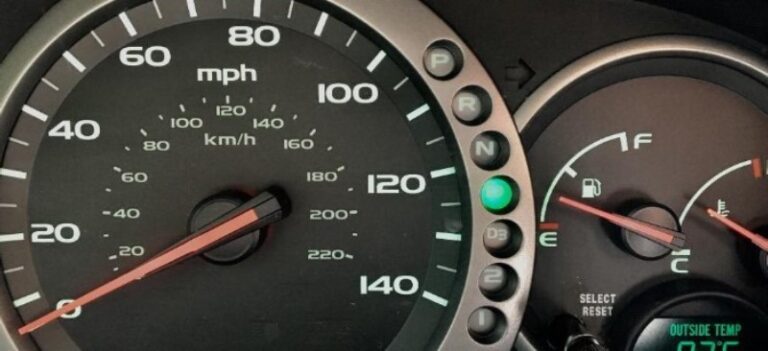
Infiniti vehicles are renowned for their advanced technology and sophisticated dashboard systems. To ensure optimal vehicle performance and safety, it is crucial to understand the various dashboard warning lights and their implications. This comprehensive guide will elucidate the different types of warning lights found in Infiniti vehicles, their meanings, and the appropriate response to each.
Infiniti vehicles employ three primary types of warning lights to alert drivers to potential issues:
1. Red Warning Lights:
These lights indicate immediate danger or potential damage. They require immediate attention and professional assistance. Examples include:
Anti-lock Braking System (ABS)
Engine Overheat
Oil Pressure Low
2. Yellow Warning Lights:
These lights signify less urgent issues that require attention within a reasonable timeframe. They do not pose immediate danger but should be addressed promptly. Examples include:
Check Engine
Low Tire Pressure
Service Reminder
3. Blue Warning Lights:
These lights typically indicate system functionality or information. They do not require immediate action, but referring to the owner’s manual for more details is recommended. Examples include:
High Beam Indicator
Turn Signal
Understanding Warning Lights
1. Location:
Dashboard warning lights are strategically placed to provide quick visual cues. They are typically located in the instrument cluster behind the steering wheel.
2. Symbol:
Each warning light has a unique symbol that corresponds to a specific issue. Familiarizing yourself with these symbols is essential for understanding the nature of the problem.
3. Meaning:
Refer to your vehicle’s owner’s manual or online resources for a detailed explanation of each warning light. This information will provide insights into the potential issue and recommended actions.
Response to Warning Lights
1. Red Warning Lights:
Stop the vehicle safely and turn off the engine.
Contact a certified Infiniti technician or dealership immediately. Do not attempt to drive the vehicle further.
2. Yellow Warning Lights:
Park the vehicle in a safe location and contact a technician within a reasonable timeframe (e.g., within a few days). Driving the vehicle is generally safe, but addressing the issue promptly is advisable.
3. Blue Warning Lights:
No immediate action is typically required. However, consulting the owner’s manual for more information is recommended.
Importance of Regular Maintenance
Regular maintenance plays a vital role in preventing issues that may trigger warning lights. Adhering to scheduled maintenance intervals ensures optimal vehicle performance and reduces the likelihood of costly repairs. Neglecting maintenance can lead to more severe problems, compromising safety and longevity.
Infiniti dashboard warning lights are an invaluable tool for monitoring the vehicle’s condition and alerting drivers to potential issues. Understanding the meaning of these lights and responding appropriately is crucial for ensuring safe and efficient operation. By paying attention to these warning lights and seeking professional assistance when necessary, you can maintain your Infiniti vehicle in top condition and prevent potential problems from escalating into more serious issues.
FAQ: Infiniti Dashboard Warning Lights
What do the different colors of warning lights mean?
Red: Immediate danger. Stop the vehicle immediately and seek professional assistance.
Yellow: Less urgent issues that require attention within a reasonable timeframe.