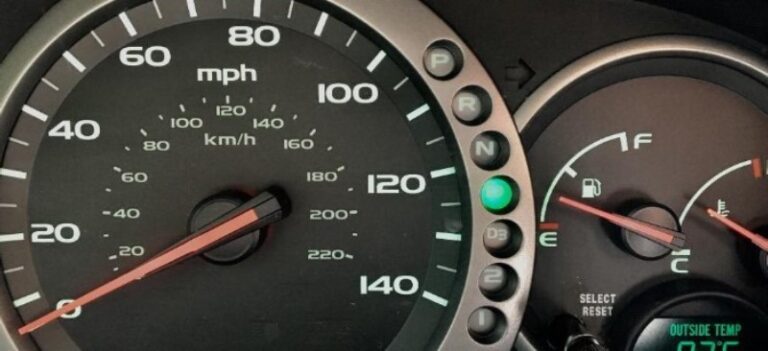
When driving a Mini Cooper, it’s essential to be aware of the various warning lights that can illuminate on your dashboard. These lights serve as indicators of potential issues with your vehicle and provide crucial information to help you make informed decisions while on the road.
Common Warning Lights and Their Meanings
Engine Warning Light
Color: Yellow
Indication: Indicates a malfunction in the engine management system, ranging from minor issues like a loose gas cap to more severe problems like engine damage.
Action: It’s vital to have the vehicle inspected by a qualified mechanic promptly to determine the underlying cause and avoid further damage.
ABS Warning Light
Color: Yellow
Indication: Alerts to a problem with the anti-lock brake system (ABS), which prevents wheel lockup during braking.
Action: A faulty sensor, damaged wiring, or issues with the ABS control unit could be the culprit. Continuing to drive with this light on may impair braking performance, so it’s best to have it checked out.
Traction Control Warning Light
Color: Yellow
Indication: Warns of a problem with the traction control system, which aids in maintaining traction on slippery surfaces.
Action: Potential causes include faulty sensors, worn tires, or malfunctions in the TC module. Driving with this light on can lead to reduced traction and increased risk of wheel spin, especially in adverse weather conditions.
Airbag Warning Light
Color: Red
Indication: Indicates a malfunction in the airbag system, which provides protection for occupants in the event of a crash.
Action: This is a critical warning light. A faulty sensor, damaged wiring, or problems with the airbag module can trigger it. It’s crucial to have the system inspected and repaired immediately to ensure proper functionality in case of an accident.
Indication: Alerts to a potential issue with the power steering system, making it more difficult to steer the vehicle.
Action: Low power steering fluid, a faulty pump, or leaks in the system can cause this warning light to illuminate. Checking the fluid level and having the vehicle inspected by a mechanic is recommended to prevent further problems.
Coolant Warning Light
Color: Red
Indication: Indicates an overheating engine, which can lead to severe damage if not addressed及时.
Action: Stop driving immediately and allow the engine to cool down. Check the coolant level and contact your mechanic. Low coolant levels, a faulty thermostat, or a damaged radiator could be the underlying cause.
Oil Pressure Warning Light
Color: Red
Indication: Alerts to low oil pressure, which can cause engine damage if left unchecked.
Action: Stop driving immediately and check the oil level. If the level is low, add oil and monitor for leaks. If the light remains on, contact your mechanic as it could indicate a faulty oil pump or leaks in the system.
Fuel Warning Light
Color: Yellow
Indication: Indicates low fuel level, typically when there’s about 50-75 miles of range remaining.
Action: Refuel as soon as possible to avoid running out of fuel, which can leave you stranded on the road.
Tire Pressure Monitoring System Warning Light
Color: Yellow
Indication: Alerts to low tire pressure in one or more tires.
Action: A slow leak, damaged valve stem, or incorrect tire pressure can cause this warning light to come on. It’s important to check the tire pressure and inflate tires to the recommended levels to ensure optimal handling and safety on the road.
The Engine Warning Light indicates a malfunction in the engine management system and could be caused by a minor issue like a loose gas cap or a major problem like engine damage. It’s important to have the vehicle inspected by a mechanic promptly to determine the cause.
What does the Anti-Lock Brake System (ABS) Warning Light mean?
The ABS Warning Light alerts to a problem with the ABS, which helps prevent wheel lockup during braking. It could be caused by a faulty sensor, damaged wiring, or a problem with the ABS control unit. Continuing to drive with this light on may impair braking performance.
What does the Traction Control (TC) Warning Light indicate?
The TC Warning Light warns of a problem with the traction control system, which helps maintain traction on slippery surfaces. It can be caused by a faulty sensor, worn tires, or a malfunction in the TC module. Driving with this light on may lead to reduced traction and increased risk of wheel spin.
What does the Airbag Warning Light mean?
The Airbag Warning Light indicates a malfunction in the airbag system, which protects occupants in a crash. It can be triggered by a faulty sensor, damaged wiring, or a problem with the airbag module. It’s crucial to have the system inspected and repaired immediately.
What does the Power Steering Warning Light indicate?
The Power Steering Warning Light alerts to a potential problem with the power steering system, making it harder to steer. It may indicate low power steering fluid, a faulty pump, or a leak in the system. It’s important to check the fluid level and have the vehicle inspected if the light stays on.